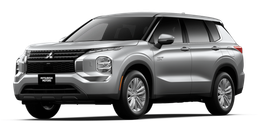
Mitsubishi Outlander (old) charging: cable, reinforced socket or wallbox?
The data quoted for this vehicle reflect WLTP standards. The figures given in the information on charging below are estimations.
The most common version is preselected: change it if yours differs, charging times and recommended products follow.
Charging time of the Mitsubishi Outlander (old), 20 to 80 %
For the selected version, depending on where you charge. Estimates based on manufacturer data.
- Domestic socket · 2.3 kW 2h539 km recovered per hour
- Reinforced socket · 3.7 kW 1h4715 km recovered per hour
Above 3.7 kW, the car's on-board charger limits the power.
How long to charge for your daily trips?
Move the slider: the charging time needed to recover your daily kilometres with the selected version.
- Domestic socket · 2.3 kW 4h27one night is enough
- Reinforced socket · 3.7 kW 2h40one night is enough
Estimate from manufacturer data. Charging slows down above 80 %.
Our recommendations for your Mitsubishi Outlander (old)
One solution per use, chosen from the plug, the phase and the charging power of the selected version. Charging times from 20 to 80 %.
At home, on a reinforced socket
The simplest way to charge every night: a Green'up socket fitted by an electrician, much safer than a household socket, with the 16 A cable of your Outlander (old).


On a public charger or a wallbox
Your Outlander (old) accepts three-phase power: this 32 A Type 2 cable uses its 3.7 kW on 11 and 22 kW chargers.


On a public charger or a wallbox
Your Outlander (old) charges in single phase, up to 3.7 kW: this Type 2 cable is all it needs on any charger, in town or at home.
On a public charger or a wallbox
Your Outlander (old) has a Type 1 inlet: this Type 2 / Type 1 cable connects it to public chargers and to wallboxes with a Type 2 socket.


A wallbox at home
A 22 kW three-phase wallbox uses the 3.7 kW of your Outlander (old) and will keep up with your next car.

A wallbox at home
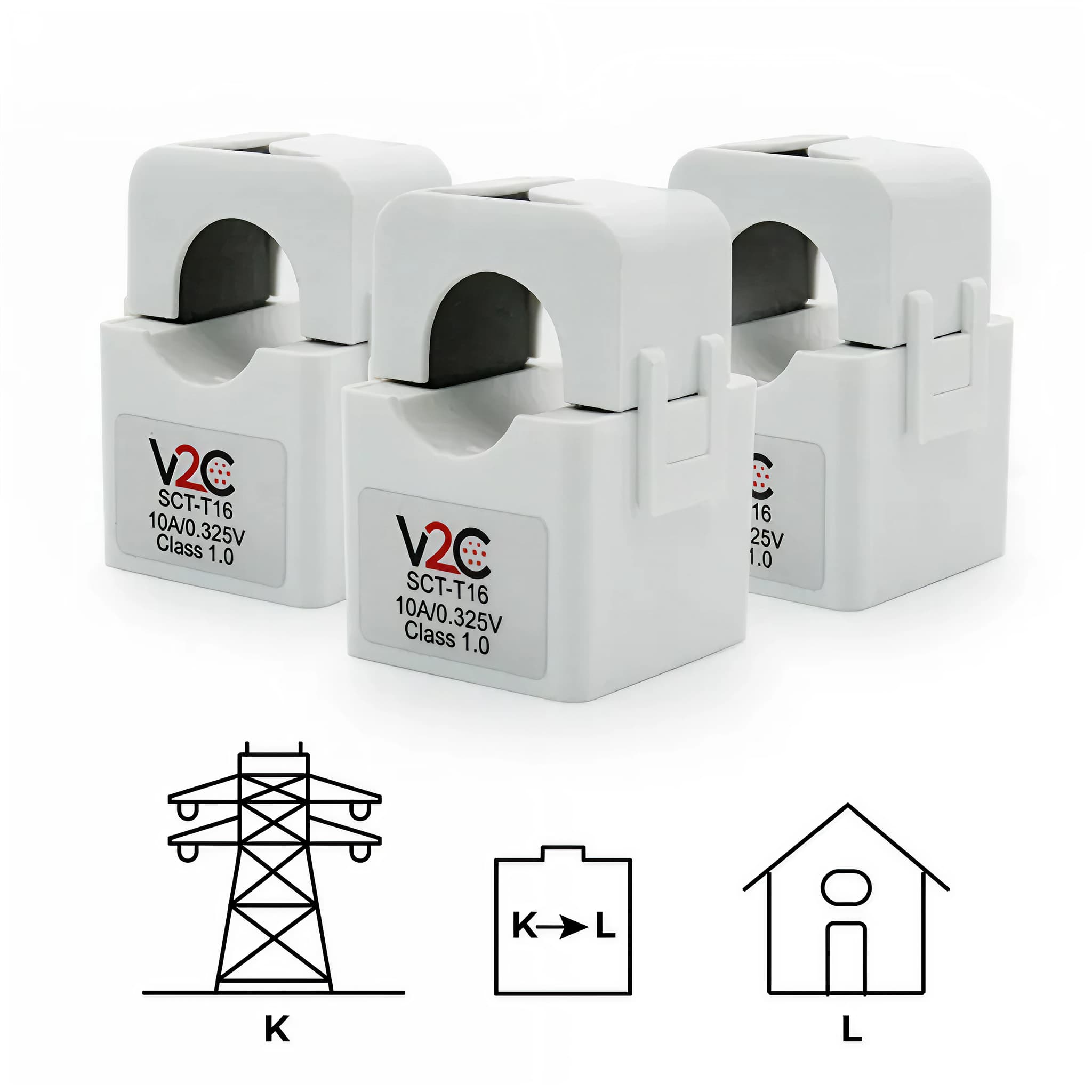
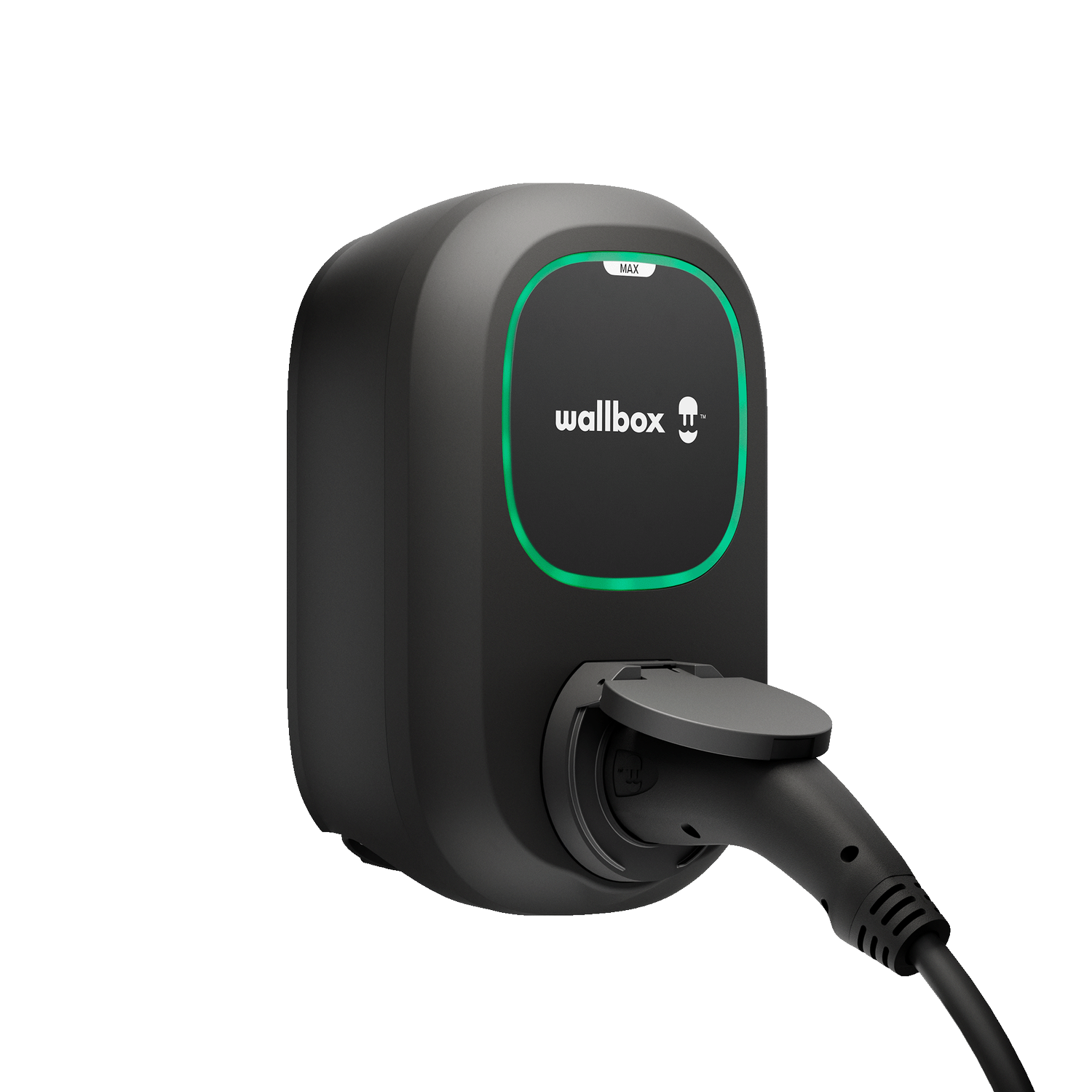
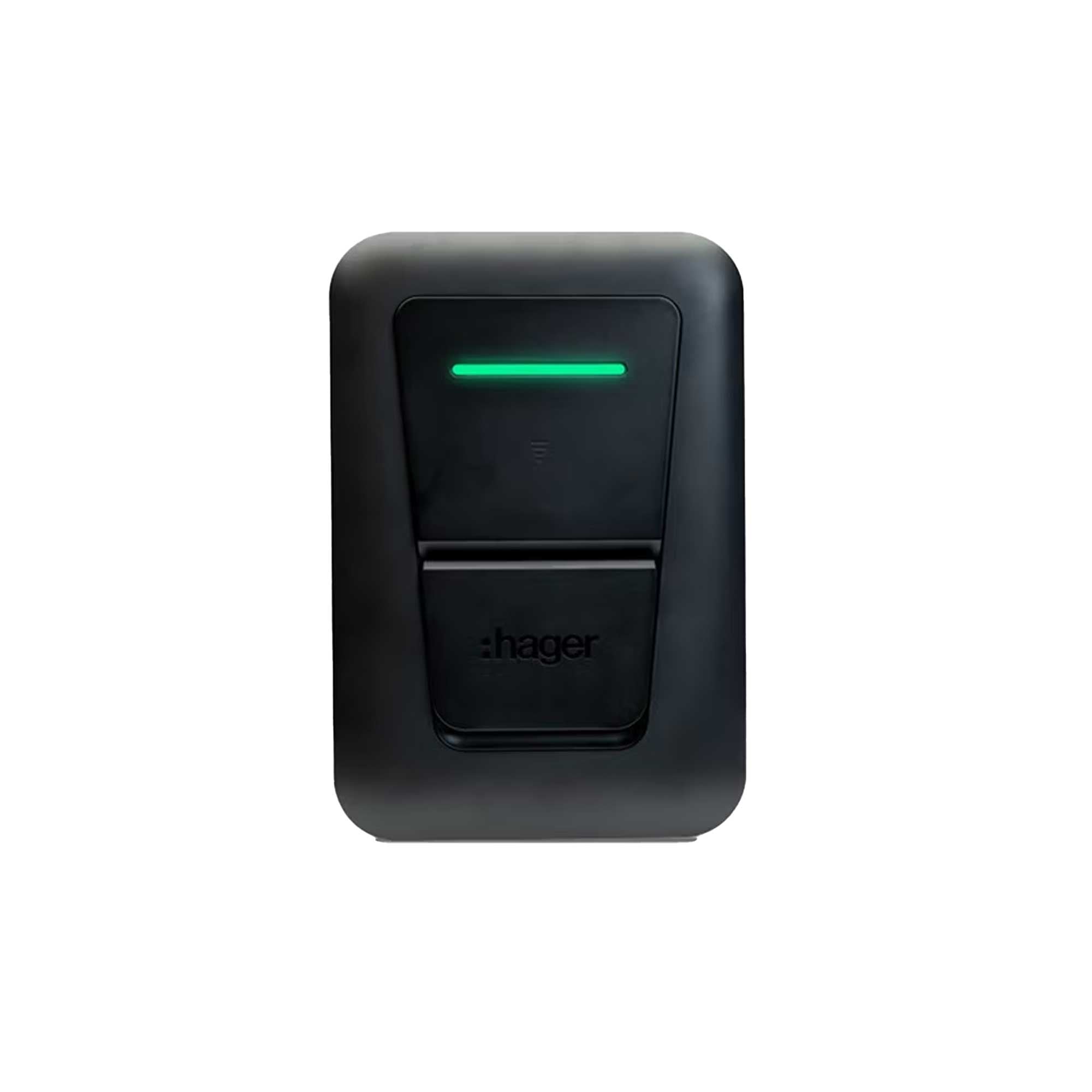
Not essential for a plug-in hybrid: a 7.4 kW single-phase wallbox charges your Outlander (old) faster than a socket and will serve your next electric car.


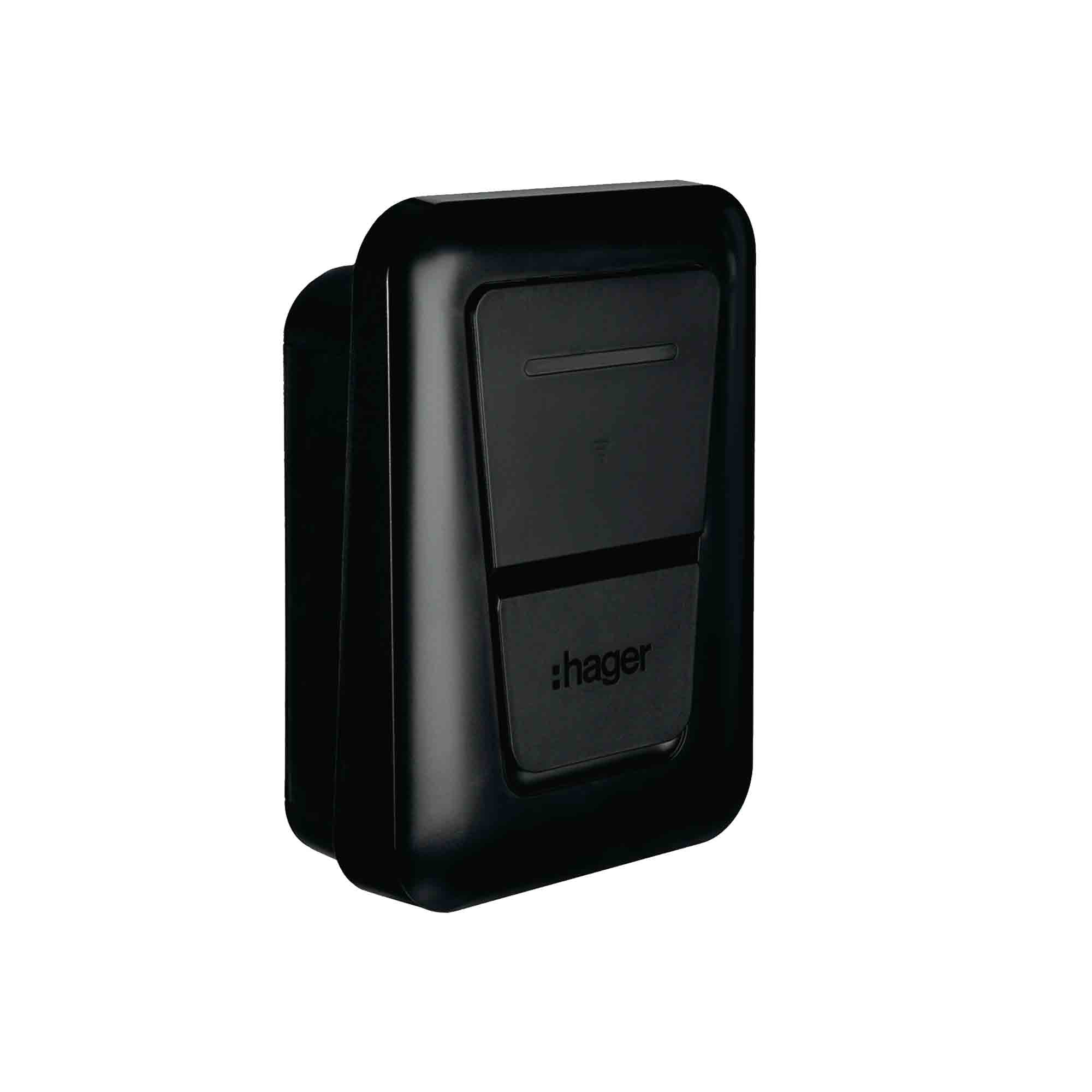
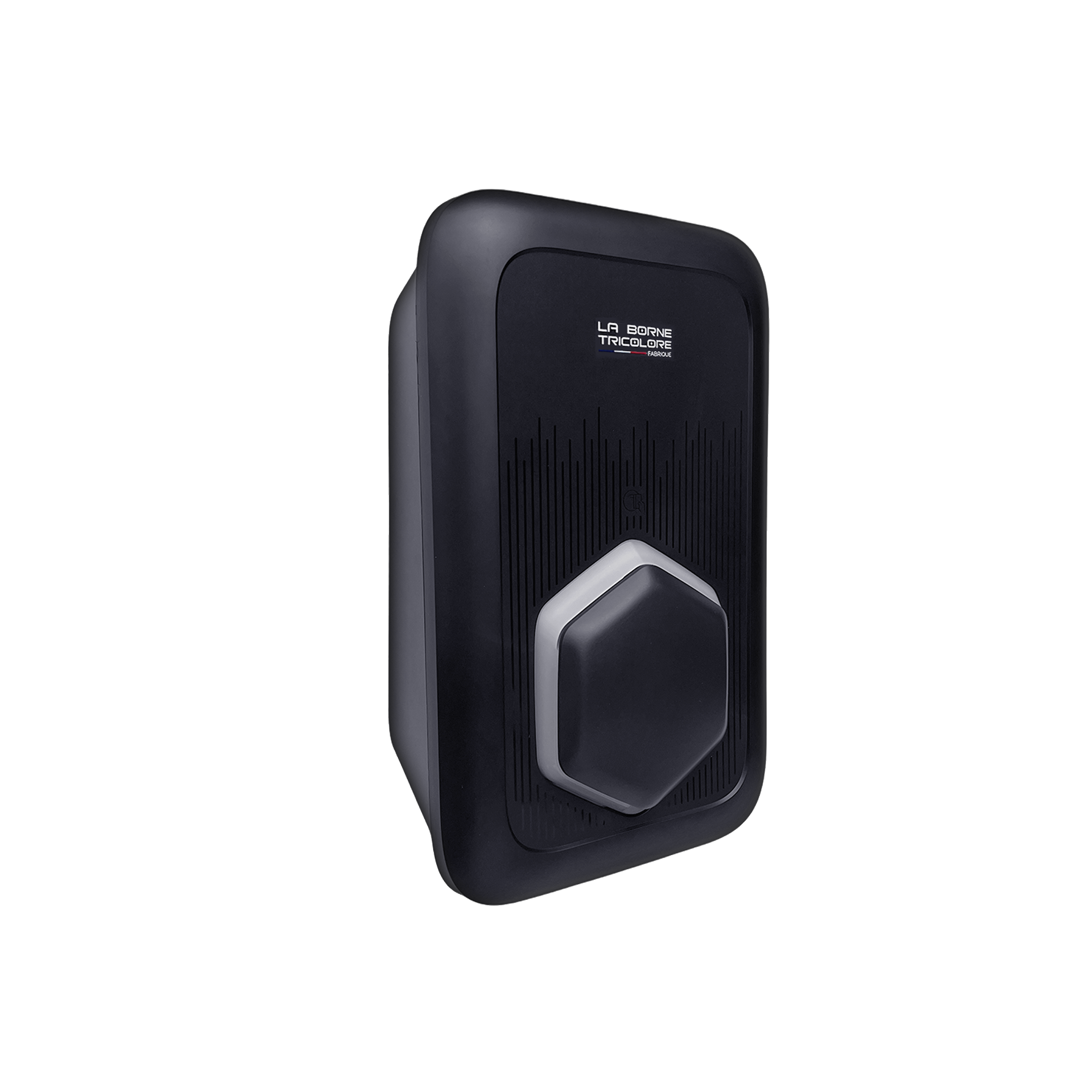
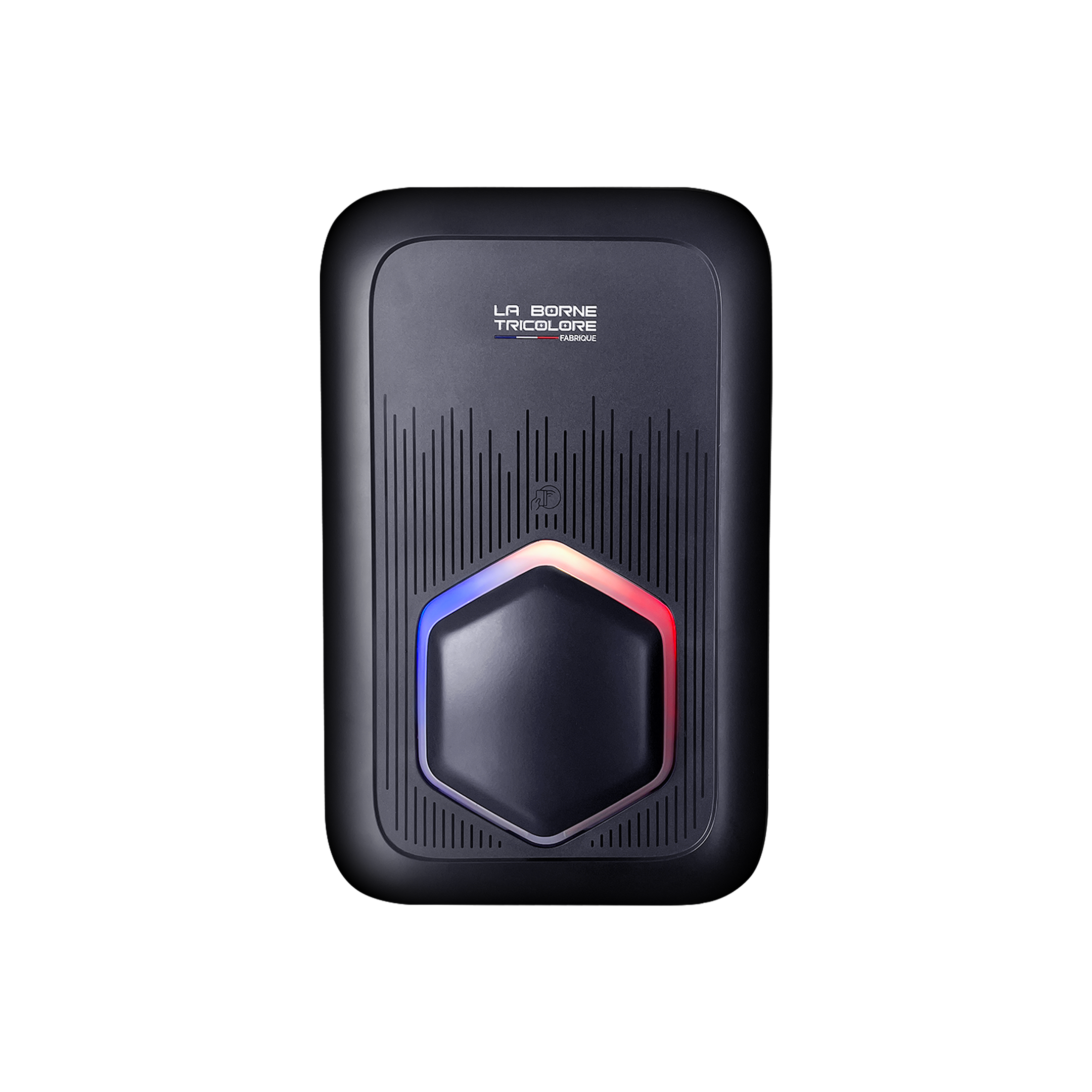
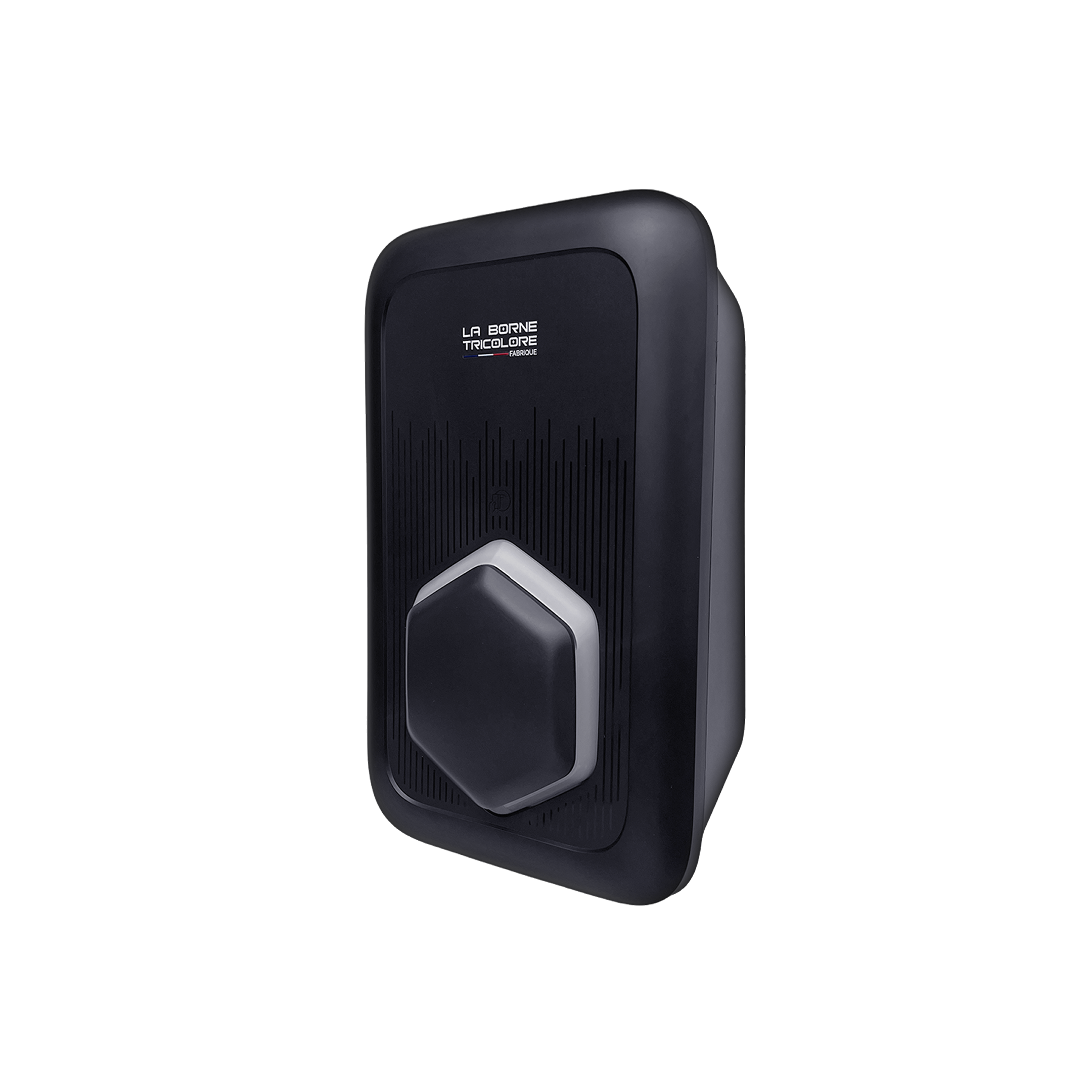
7 products for Charging your Mitsubishi Outlander (old) 13.8 kWh - 236 ch - 3.7 kW - monophase (2019)








- Shipped within 48 h
- Free pickup point delivery from 100 €
- Pay in 3 or 4 instalments, no fees, from €200
- An adviser on +33 3 67 880 054
Frequently asked questions
Yes, with a domestic socket cable limited to 10 A, that is 2.3 kW: count 2h53 from 20 to 80 %. For daily use, a 3.7 kW reinforced Green'up socket brings that down to 1h47 and protects the circuit with a dedicated breaker.
Not necessarily. Its battery goes from 20 to 80 % in 1h47 on a 3.7 kW reinforced Green'up socket: one night is plenty. A station brings a tethered cable and charge scheduling, not a shorter time beyond 3.7 kW.
The socket is the same for all of them (Type 1); the battery capacity and the accepted charging power can differ from one version to another, and the charging time with them. Pick your version at the top of the page: the times and the recommended products follow.
A cable with Type 2 on the station side and Type 1 on the car side, always single-phase: the Type 1 socket does not allow three-phase. On a reinforced socket, take the 16 A cable with a Type 1 connector.
If you have not found the right version of your Mitsubishi Outlander (old), please contact us. We will help you find the right charging cable or charging station for your all-electric or plug-in hybrid car.
The maximum power rating when charging in single-phase and 3-phase is different depending on the vehicle type. Charging via a 3-phase cable or charging station means you can charge up to 22kW, whereas the maximum in single-phase is 7kW.
Purchasing the right cable or charging station for your vehicle is a guarantee of optimum safety when you charge your EV.
The recommended products correspond to the wallbox with the ideal configuration to charge your Mitsubishi Outlander (old) version. To simplify the selection among the different compatible charging stations, we have highlighted the perfect match between the electrical installation, the vehicle and the wallbox that will allow you to charge in the best conditions.
 Other electric and plug-in hybrid Mitsubishi models